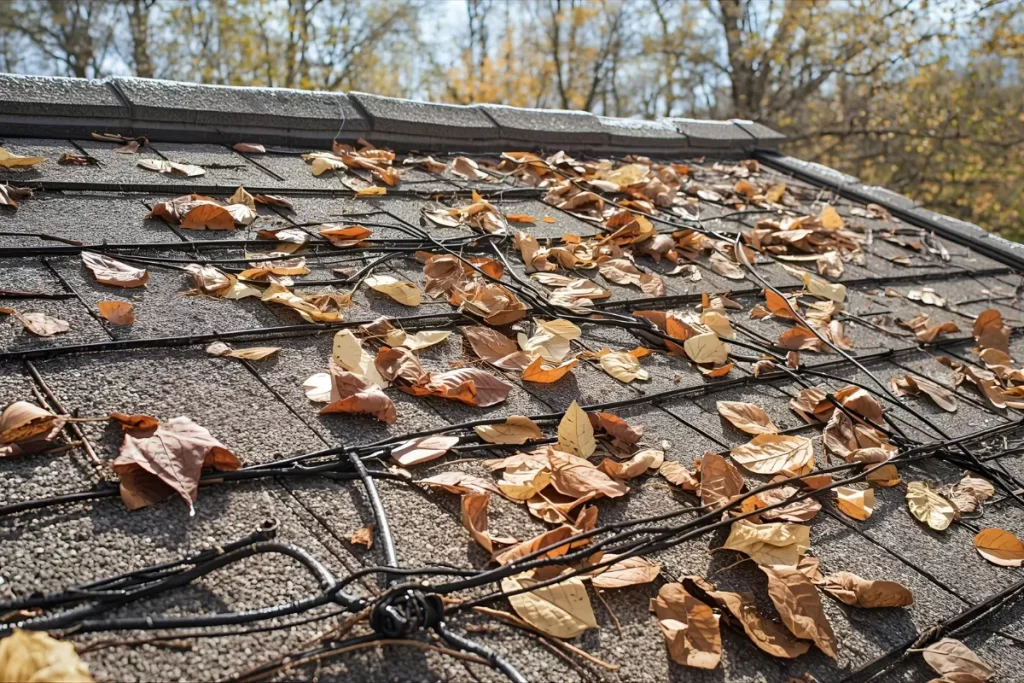
As the vibrant colors of autumn arrive in Wichita, homeowners often focus on raking leaves and preparing lawns. Yet, the most essential preparation happens overhead: securing the roof. The transition from fall warmth to the harsh conditions of a Kansas winter—marked by sharp temperature drops, ice, and strong winds—is the ultimate test of your home’s exterior strength.
An early fall Wichita roof check is not simply about maintenance; it is a necessary protective action. By finding and correcting small issues now, Wichita homeowners can avoid expensive emergency roof repairs, significant structural damage, and complicated insurance claims when the ice storms hit. For Wichita Home Works, our goal is to assist you in keeping your roof sound and secure against the season’s worst.
- The Unique Roofing Threats of Wichita Weather
- Wind and Hail: The Hidden Damage
- The Freeze-Thaw Cycle
- Why an Early Fall Check-Up is Critical
- Homeowner Self-Check: What to Look For
- Frequently Asked Questions About Fall Roof Maintenance
- Final Thoughts
The Unique Roofing Threats of Wichita Weather
Roofs in South Central Kansas face particular challenges that require a proactive approach to care. This region is known for its extreme weather, making annual inspections more important than in many other parts of the country.
Wind and Hail: The Hidden Damage
Wichita experiences a higher frequency of severe weather events than the national average. Statistics from the Kansas Insurance Department consistently show that wind and hail events are the primary causes of property damage claims in the state. Even if your home has been through recent storms without an apparent roof failure, subtle damage may be present.
- Hail Impact: Hail can bruise or dimple asphalt shingles, fracturing the matting beneath the protective granules. This damage is often difficult to see from the ground, but it quickly degrades the shingle’s ability to repel water. Once winter freezing and thawing begin, these small fractures expand, leading to leaks.
- Wind Uplift: High winds do not need to tear off entire sections to cause significant damage. Wind can lift the edge of a shingle, breaking the adhesive seal that holds it to the row below. This creates a weak point where wind-driven rain and snow can enter, often causing leaks far from the point of entry.
The Freeze-Thaw Cycle
Once temperatures drop, water trapped under loose shingles or within small cracks begins to freeze, expanding and pushing materials apart. When the ice thaws, the process repeats, turning minor damage into major structural problems. Addressing wind and hail damage in the fall, before the first deep freeze, is critical to prevent small cracks from becoming severe leaks over the winter months.
Why an Early Fall Check-Up is Critical
Waiting until spring to inspect your roof is a mistake that can cost you thousands in repairs. An inspection during the early fall offers several practical advantages:
- Ideal Repair Conditions: Roofing materials adhere and seal best in temperatures above 40 degrees Fahrenheit. Repairing or replacing damaged shingles now ensures that the new materials properly seal before winter. Working with icy or snowy roofs is difficult and significantly increases the risk to both the homeowner and the repair crew.
- Insurance Timelines: Many homeowner policies have time limits for filing claims related to storm damage. A professional inspection ensures that if subtle hail or wind damage is found, you can file a claim promptly, maximizing your coverage.
- Preventing Interior Damage: A leak that starts small in the attic can destroy insulation, rot rafters, and stain ceilings once snowmelt begins. An early check stops water intrusion before it can affect the interior of your home.
Homeowner Self-Check: What to Look For
While we strongly suggest a professional inspection, every homeowner should learn to identify the initial signs of trouble. Remember: always prioritize safety and use binoculars for roof examinations where possible. Never climb a steep or wet roof yourself.
From the Ground:
- Missing or Lifted Shingles: Look for shingles that are visibly absent or appear curled, buckled, or ruffled, especially along the ridge line and the roof edges.
- Gutter Debris: Check the gutters for excessive amounts of asphalt granules, which look like dark, coarse sand. This signals that the roof surface is wearing down or that hail has aggressively removed the protective layer of the shingles.
- Flashing Concerns: Look for any metal flashing around the chimney, vents, or skylights that appears bent, separated, or rusted. This is a common point of water entry.
In the Attic (During Daylight):
- Water Stains: Look for dark stains or discoloration on the underside of the roof decking or the rafters.
- Moisture or Drafts: Check for active dripping, or feel for cold air drafts, which indicate holes or poor sealing.
If you find any of these signs, contact Wichita Home Works immediately.
Frequently Asked Questions About Fall Roof Maintenance
Does hail damage always look obvious?
No. This is a common misconception. Hail damage is often difficult to spot because it can simply look like small, scattered dark spots or slightly softer areas on the shingle surface (known as bruises). On lighter-colored shingles, the dimples may be more visible. Because this damage is subtle, it often requires a trained eye to examine the pattern of impacts and determine if it has compromised the roof’s water resistance.
How often should I have my roof professionally inspected?
For homes in areas prone to severe weather like Wichita, we suggest a professional inspection every two to three years, or immediately following any significant weather event involving hail or sustained high winds (60 mph or higher). An annual check in the fall is best to clear debris and check seals before winter.
How long do I have to file a claim for storm damage?
Most homeowners insurance policies in Kansas allow up to one year from the date of the storm to file a claim. However, it is better to report the damage as soon as you find it. If you wait until the damage causes a severe interior leak in the winter, the insurance company may argue that the resulting interior destruction could have been avoided if the small roof problem had been addressed earlier.
Should I clean leaves and debris off my roof myself?
While clearing leaves from gutters is safe for most people, cleaning debris directly off the roof is a task best left to professionals. Walking on a roof is inherently dangerous, and a build-up of wet leaves can hide slippery moss or structural weaknesses. Professionals have the necessary safety equipment and can remove debris without causing further shingle damage.
Final Thoughts
Your roof is the single most important element protecting your home’s structure and interior. In a city like Wichita, where winter weather can be unpredictable and intense, a fall check-up is a low-cost, high-value investment.
Don’t let subtle wind damage or minor hail impacts turn into a major leak this winter. Contact the team at Wichita Home Works today to schedule your fall roof assessment and secure your home for the colder months ahead.