
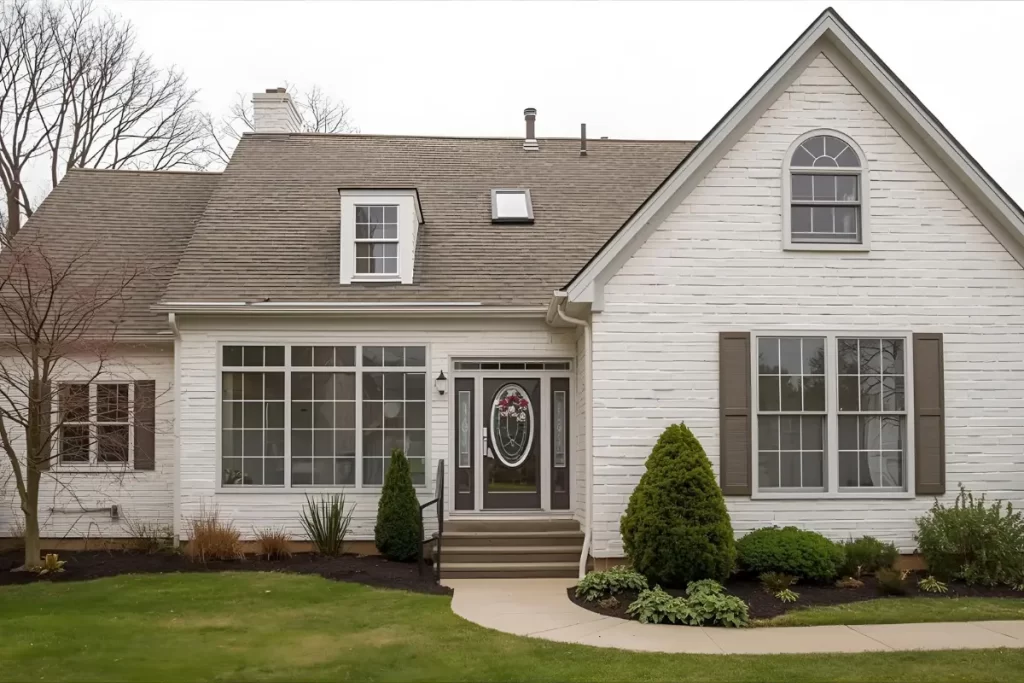
Dreaming of a new kitchen, a luxurious master bathroom, or a more spacious living area in your Wichita home? The first step is often the easiest—imagining the possibilities. The second step, figuring out how to pay for it, can be the most challenging. The good news is that for every renovation dream, there’s a financing option that can help make it a reality.
At Wichita Home Works, we believe that understanding your financial options is just as important as choosing the right contractor. This guide will walk you through the most common home improvement financing solutions available to homeowners in Wichita and Sedgwick County, providing you with the knowledge to make a confident and informed decision.
- The Power of a Remodel: Why It's Worth the Investment
- Common Financing Options for Wichita Homeowners
- FAQs About Financing Your Remodel
- Partnering with Wichita Home Works
The Power of a Remodel: Why It’s Worth the Investment
Before we dive into financing, it’s worth remembering the tangible and intangible benefits of a home remodel. According to the 2024 Cost vs. Value Report, a minor kitchen remodel in the West North Central region (which includes Kansas) can recoup around 96% of its cost at resale. A new garage door or entry door can offer even higher returns, often over 100%. (Source: Journal of Light Construction). Beyond the numbers, a remodel improves your quality of life, increases your home’s functionality, and creates a space you’ll love for years to come.
Common Financing Options for Wichita Homeowners
Financing a home renovation project can be a complex process, but it doesn’t have to be. Here are some of the most popular and effective options available to you.
1. Home Equity Line of Credit (HELOC)
A HELOC is a revolving line of credit that is secured by the equity you’ve built in your home. Think of it like a credit card with a lower interest rate, with your home as the collateral.
- How it works: Lenders in Wichita, such as INTRUST Bank and Credit Union of America, offer HELOCs that allow you to borrow against a pre-approved credit limit, which is typically a percentage of your home’s value minus your outstanding mortgage balance. The interest rate on a HELOC is almost always variable, meaning it can go up or down with market rates.
- Pros: It offers flexibility, as you can draw funds as needed over a specified draw period (often 10 years) and only pay interest on the amount you’ve used. This is perfect for larger, phased renovations where you don’t need all the money at once.
- Cons: Since it’s a variable-rate loan, your monthly payments could increase if interest rates rise. Your home is also used as collateral, so a default could put it at risk.
- Local Data: As of September 2025, HELOC rates in the Wichita area ranged from around 7.50% to 8.50% APR depending on the lender and your credit profile. (Source: Security Bank of Kansas City)
2. Home Equity Loan
Unlike a HELOC, a home equity loan is a lump-sum loan. You get all the money at once and repay it over a fixed term with a fixed interest rate.
- How it works: You borrow a specific amount based on your home’s equity and begin making consistent monthly payments immediately.
- Pros: The fixed interest rate provides payment predictability, making it easy to budget for the entire life of the loan. This is a great choice for large, single-phase projects where you know the total cost upfront.
- Cons: You start paying interest on the full amount from day one, even if you don’t use all the funds immediately. Like a HELOC, it is a secured loan that uses your home as collateral.
3. Cash-Out Refinance
If you have a significant amount of equity and are looking to remodel your home, a cash-out refinance allows you to replace your current mortgage with a new, larger loan. You can take the difference in cash to pay for your renovation.
- How it works: You refinance your home for more than you currently owe. For example, if you have a $100,000 mortgage and your home is worth $250,000, you could refinance for $150,000 and receive $50,000 in cash to fund your remodel.
- Pros: This option often provides a lower interest rate than other loan types, and you can deduct the interest on your taxes. You also get all the funds at once.
- Cons: You will restart your mortgage term (e.g., another 30 years), and closing costs can be substantial, often ranging from 2% to 5% of the new loan amount.
4. Unsecured Personal Loan
A personal loan is an excellent option for smaller, more contained projects, like a minor bathroom remodel or new flooring.
- How it works: This is an unsecured loan, which means it doesn’t require any collateral like your home. Your eligibility is based on your credit score and debt-to-income ratio.
- Pros: The application process is typically fast, with some lenders providing same-day funding. You don’t put your home at risk, and the interest rate is fixed, making payments predictable.
- Cons: The interest rates on personal loans are often higher than secured loans like a HELOC or home equity loan. The loan amounts are also generally capped, usually between $5,000 and $100,000.
- Local Data: As of late 2024, personal loans for home improvement from national lenders like KeyBank and Wells Fargo had APRs starting as low as 6.74% to 8.49%, depending on the borrower’s credit. (Source: KeyBank, Wells Fargo)
5. FHA 203(k) Loan
This specialized loan is perfect for homebuyers who want to purchase a “fixer-upper” and finance the renovations with one mortgage.
- How it works: The FHA 203(k) loan combines the purchase price of the home with the cost of a remodel into a single mortgage. There are two types: a Limited 203(k) for minor, non-structural repairs up to $35,000, and a Standard 203(k) for major structural renovations over $5,000.
- Pros: It allows you to buy a home that needs work and finance the renovations all at once, requiring only a low down payment (3.5% for credit scores of 580 or higher).
- Cons: The process is more complex, requiring a HUD-approved consultant, and you’ll have to pay for mortgage insurance. The home must also meet FHA standards and is subject to strict inspections.
FAQs About Financing Your Remodel
What credit score do I need to get a loan for a remodel?
Your credit score is a major factor in loan approval and interest rates. For a HELOC or home equity loan, lenders typically prefer a FICO score of 680 or higher to get a competitive rate, although some may approve scores as low as 620. For an FHA 203(k) loan, the minimum score is 580 for a 3.5% down payment. Unsecured personal loans can vary widely, but a higher credit score will always result in a lower interest rate.
Should I use a credit card for my renovation?
Generally, a credit card is the least advisable option for a large renovation due to high interest rates. However, for small projects or if you can pay off the balance quickly, a credit card might be a good short-term solution, especially if you have one with a 0% introductory APR.
What about a contractor’s financing?
Many home remodeling contractors, including Wichita Home Works, partner with financing companies to offer a streamlined loan application process. These loans often include options like “same-as-cash” (no interest if paid off within a promotional period) or low-interest monthly payments. These can be convenient and competitive, so it’s always worth asking your contractor about their financing partners.
What is the first step I should take?
The very first step is to have a detailed project plan and a firm estimate. At Wichita Home Works, we provide free consultations to help you define your project, choose materials, and receive a comprehensive, itemized quote. This estimate is what you will bring to your bank or lender to secure financing.
Partnering with Wichita Home Works
Choosing the right financing option is a critical step in your home renovation journey, but it’s only one piece of the puzzle. At Wichita Home Works, we are not just experts in construction; we are your partners in planning, design, and project management. We can provide you with a detailed, professional estimate that will give you the confidence to approach any lender. We are also happy to introduce you to our financing partners to help you find a solution that works for you.
Ready to turn your renovation dreams into reality? Contact Wichita Home Works today for a free consultation. Let’s get started on building something beautiful together.

