
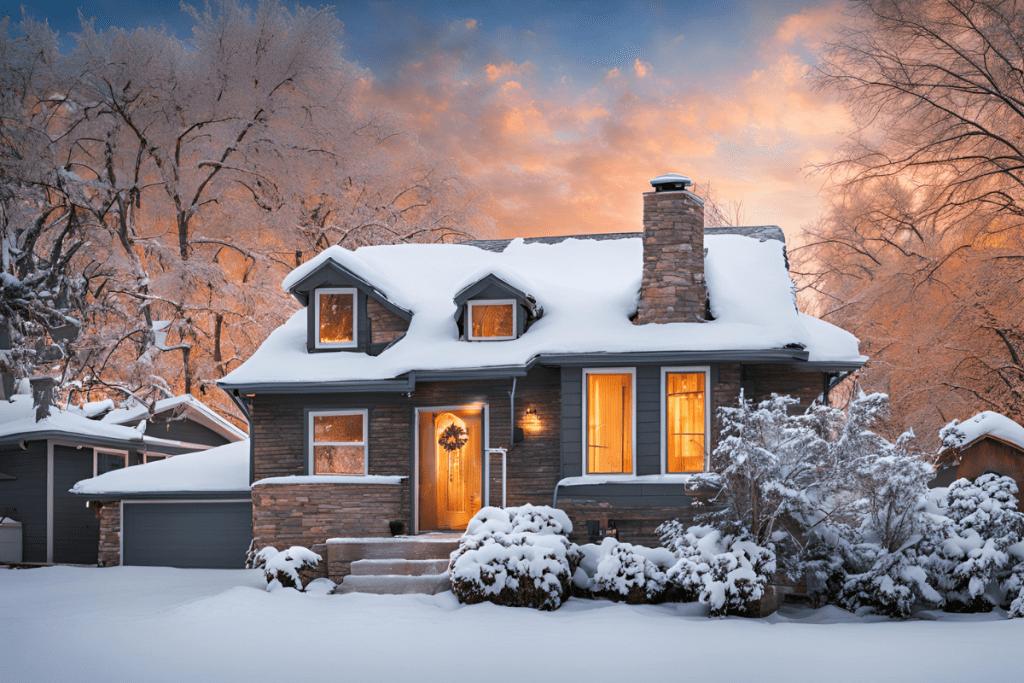
The biting winds of a Wichita winter can wreak havoc on your home. From icy blasts to heavy snowfall, the elements can pose significant challenges, impacting your comfort, safety, and even the structural integrity of your property. This comprehensive guide will equip you with the knowledge and strategies to effectively winterize your Wichita home, ensuring a warm, cozy, and trouble-free season.
- 1. Insulation: The First Line of Defense
- 2. Heating System Tune-up:
- 3. Plumbing Protection:
- 4. Ventilation Strategies:
- 5. Fireplace Safety:
- 6. Gutter Maintenance:
- 7. Emergency Preparedness:
- 8. Addressing Common Winter Homeowner Concerns:
- Summary
1. Insulation: The First Line of Defense
Proper insulation is paramount in maintaining a comfortable and energy-efficient home during the frigid Wichita winters.
- Check for Air Leaks:
- Visual Inspection: Carefully examine your attic, basement, and around windows and doors for any visible gaps or cracks.
- Use a Smoke Pencil: Light a stick of incense and move it around potential leak points. If smoke is drawn towards the crack, you’ve identified an air leak.
- Insulate Attics: Ensure adequate insulation in your attic. The recommended depth varies depending on your climate zone. Consider adding more insulation if necessary.
- Insulate Walls: If your home has uninsulated walls, consider options like blown-in insulation or foam insulation.
- Seal Air Leaks:
- Caulk and Sealant: Use high-quality caulk to seal gaps around windows, doors, and baseboards.
- Weatherstripping: Install weatherstripping around doors and windows to prevent drafts.
- Use Foam Sealant: Fill gaps around electrical outlets and switch plates with foam sealant.
2. Heating System Tune-up:
- Schedule a Professional Inspection: Have your heating system inspected and serviced by a qualified HVAC technician. This typically includes:
- Cleaning or Replacing Filters: Dirty filters restrict airflow and reduce efficiency.
- Checking and Adjusting Burner Controls: Ensure proper combustion and efficient operation.
- Inspecting and Cleaning Heat Exchangers: Prevent carbon monoxide buildup.
- Testing the Thermostat: Ensure accurate temperature readings and proper functioning.
- Bleed Radiators (if applicable): If you have a radiator heating system, bleed any trapped air to ensure optimal heat distribution.
- Consider a Programmable Thermostat: A programmable thermostat allows you to adjust temperatures automatically, saving energy and money.
3. Plumbing Protection:
- Insulate Pipes:
- Exposed Pipes: Insulate exposed pipes in unheated areas like basements, attics, and crawl spaces with pipe insulation sleeves.
- Faucet Drip: Let a trickle of water drip from faucets connected to exposed pipes to prevent freezing.
- Disconnect Garden Hoses: Disconnect and drain garden hoses completely to prevent water from freezing and expanding inside the pipes.
- Locate the Water Shutoff Valve: Know the location of your main water shutoff valve in case of a frozen pipe emergency.
- Bring Outdoor Faucets Inside: If possible, bring outdoor faucets inside or disconnect them and store them in a protected area.
4. Ventilation Strategies:
- Proper Ventilation is Crucial:
- Exhaust Fans: Ensure proper ventilation in bathrooms and kitchens to prevent moisture buildup, which can lead to mold and mildew.
- Whole-House Ventilation Systems: Consider installing a whole-house ventilation system to improve indoor air quality and remove excess moisture.
- Monitor Indoor Humidity: Use a hygrometer to monitor indoor humidity levels. Ideal humidity levels for winter range between 30% and 50%.
5. Fireplace Safety:
- Have Your Chimney Inspected: Schedule a professional chimney inspection and cleaning to remove creosote buildup, which can increase the risk of chimney fires.
- Use Dry Firewood: Ensure you are using dry, seasoned firewood to minimize smoke and creosote production.
- Never Leave a Fire Unattended: Always supervise a burning fire and never leave it unattended.
- Use a Fireplace Screen: Use a fireplace screen to prevent sparks from escaping and causing a fire.
6. Gutter Maintenance:
- Clean Gutters Regularly: Clean gutters and downspouts to prevent ice dams. Ice dams form when melting snow refreezes in gutters, causing water to back up and potentially leak into your home.
- Install Gutter Guards: Consider installing gutter guards to prevent leaves and debris from clogging your gutters.
7. Emergency Preparedness:
- Assemble an Emergency Kit: Prepare an emergency kit that includes:
- Flashlights and batteries
- First-aid supplies
- Non-perishable food and water
- Blankets and warm clothing
- Portable chargers for electronic devices
- Develop an Emergency Plan: Create a family emergency plan that outlines evacuation routes, communication procedures, and meeting points.
- Know Your Neighbors: Get to know your neighbors and establish a system for checking on each other during severe weather events.
8. Addressing Common Winter Homeowner Concerns:
- Frozen Pipes:
- Prevention: The best defense against frozen pipes is proactive prevention. Insulate pipes, let faucets trickle, and disconnect hoses.
- Thawing Frozen Pipes:
- Apply Heat Gradually: Apply heat gradually using hot water bottles, space heaters, or hair dryers.
- Never Use a Torch or Open Flame: This can cause a fire or explosion.
- Call a Plumber: If you are unable to thaw the pipes yourself, contact a qualified plumber.
- Ice Dams:
- Prevention: Proper gutter maintenance, attic ventilation, and adequate insulation can help prevent ice dams.
- Removal: If ice dams form, you may need to remove snow from the roof carefully.
- Professional Help: In severe cases, it may be necessary to hire a professional ice dam removal service.
The harsh Wichita winters demand a proactive approach to home maintenance. By taking the necessary steps to winterize your home, you can ensure comfort, safety, and energy efficiency throughout the coldest months. This guide has provided a comprehensive overview of crucial winterization measures, from insulation checks and heating system tune-ups to plumbing protection and emergency preparedness.
Remember, proper winterization is an ongoing effort. Regular inspections, timely maintenance, and proactive measures will help you safeguard your home from the elements and enjoy a warm and comfortable winter in Wichita.
Summary
This article provides a comprehensive guide to winterizing your Wichita home. Key areas of focus include:
- Insulation: Check for air leaks, insulate attics and walls, and seal air gaps.
- Heating System: Schedule a professional inspection, bleed radiators, and consider a programmable thermostat.
- Plumbing Protection: Insulate pipes, let faucets trickle, disconnect hoses, and locate the water shutoff valve.
- Ventilation: Ensure proper ventilation in bathrooms and kitchens.
- Fireplace Safety: Have your chimney inspected, use dry firewood, and never leave a fire unattended.
- Gutter Maintenance: Clean gutters and downspouts regularly to prevent ice dams.
- Emergency Preparedness: Assemble an emergency kit, develop an emergency plan, and know your neighbors.
- Addressing Common Concerns: Learn how to prevent and address frozen pipes and ice dams.
By implementing these strategies, you can effectively winterize your Wichita home, ensuring comfort, safety, and energy efficiency throughout the coldest months.

